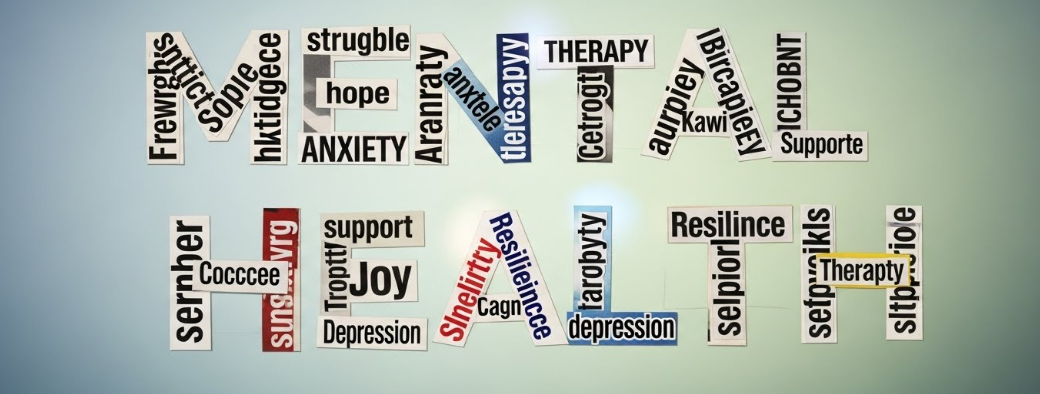
Becoming a parent is a life-changing experience filled with joy, but it can also bring unexpected emotional challenges. Many new parents experience mood changes, anxiety, or even depression in the weeks and months after birth. Understanding these changes, seeking help, and building a strong support network are essential steps toward maintaining your mental wellbeing—and your family’s health.
1. Recognizing Postpartum Mood Changes
Not all emotional challenges after childbirth are the same, and it’s important to recognize the signs:
- Baby blues: Common in the first one to two weeks after delivery, symptoms include mood swings, tearfulness, and irritability. These usually resolve on their own.
- Postpartum depression (PPD): More persistent and severe than the baby blues, PPD may include intense sadness, hopelessness, loss of interest in activities, or trouble bonding with your baby.
- Postpartum anxiety: Worry, racing thoughts, sleep disturbances, or panic attacks may arise even if depression isn’t present.
Tip: If emotional symptoms persist beyond two weeks, interfere with daily life, or feel overwhelming, it’s important to reach out for professional support.
2. Seeking Professional Support
You don’t have to manage postpartum mental health challenges alone. Professional help can provide guidance, coping strategies, and treatment options:
- Talk to your doctor or OB-GYN: They can screen for postpartum mood disorders and refer you to mental health professionals.
- Counseling or therapy: Licensed therapists or counselors specializing in perinatal mental health can help you process feelings, manage anxiety, and develop coping strategies.
- Support groups: Peer groups for new parents—both in-person and online—offer a safe space to share experiences and reduce feelings of isolation.
Tip: Mental health treatment may include talk therapy, medication, or a combination. Seeking help is a sign of strength, not weakness.
3. Building a Network of Care
A strong support system makes a world of difference:
- Partner support: Honest communication with your partner about your needs and feelings helps both of you navigate new parenthood together.
- Family and friends: Don’t hesitate to accept help with childcare, meals, or household tasks. Even small gestures can reduce stress.
- Community resources: Local parent groups, lactation consultants, and postpartum doulas can provide emotional and practical support.
Tip: Make self-care a priority—sleep, nutrition, and brief moments of personal time are essential for emotional health.
4. Normalizing the Conversation
Many parents struggle silently, thinking they’re alone in their experience. By talking openly about mental health, you help break the stigma and encourage others to seek help too.
- Share your experiences with trusted friends or online communities.
- Encourage honest conversations with your healthcare provider at every postpartum visit.
- Remember: seeking support early can prevent more serious challenges later.
Final Thoughts
Navigating the early months of parenthood can be emotionally complex, but you don’t have to do it alone. Recognizing mood changes, accessing professional help, and building a reliable support network are key steps toward mental wellbeing. Your mental health matters—not just for you, but for your baby and your family.
⚠️ Disclaimer
This article is for informational purposes only and does not replace professional medical advice. If you or someone you know is experiencing severe postpartum depression, anxiety, or thoughts of self-harm, seek immediate help from a licensed healthcare provider or call emergency services.
The Name and Nurture Team
Editors & Parenting Curators
The Name and Nurture Team curates evidence-based articles and real-world tips to support new and expecting parents on their journey.